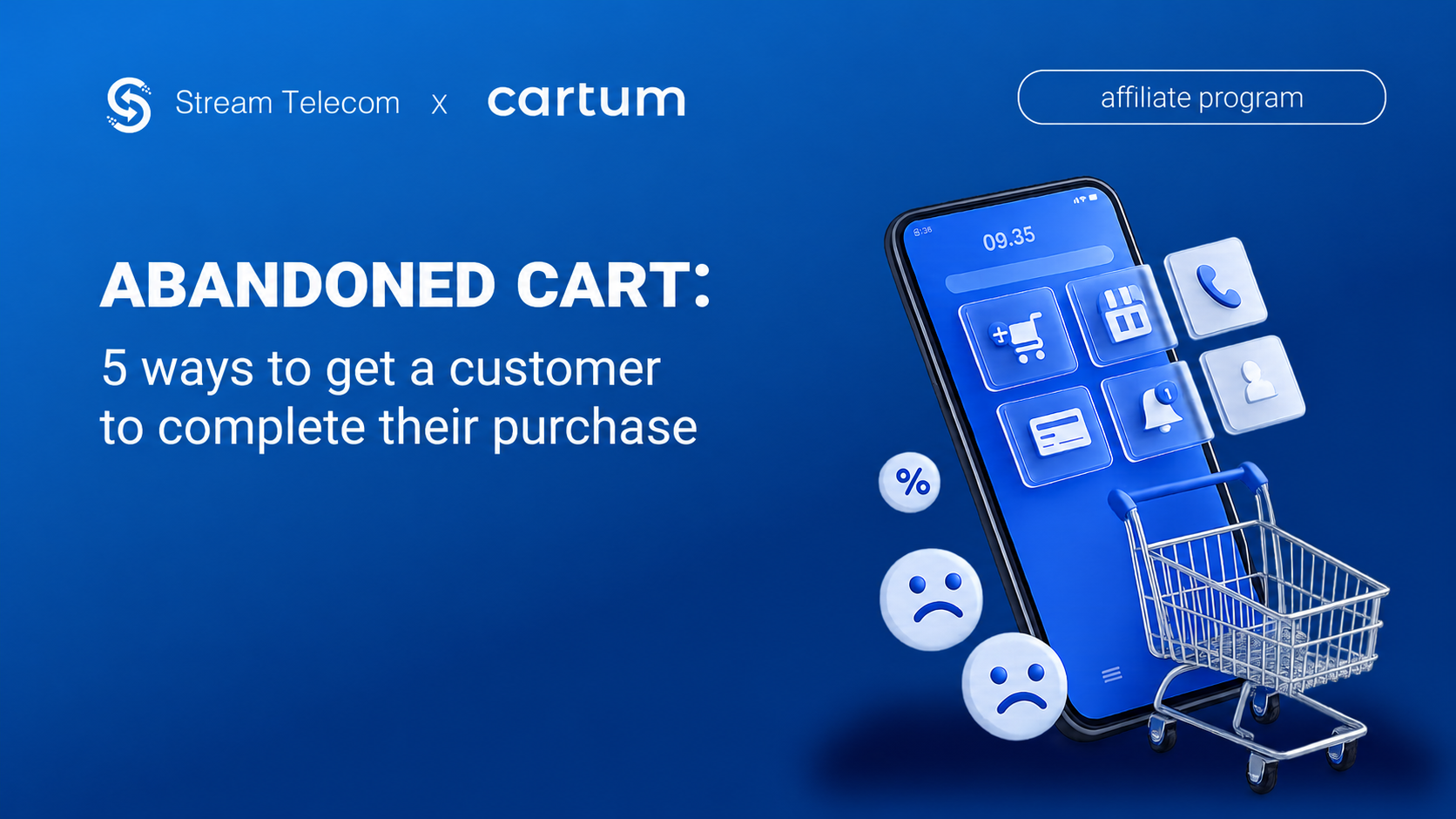
Abandoned Cart: 5 Ways to Bring Customers Back to Complete Their Purchase
An abandoned cart occurs when a shopper adds items to their cart but doesn’t complete the checkout process. For an online store, this is an uncomfortable yet highly important signal: the customer has already shown interest in the product and was close to making a purchase. That’s why simply letting them go isn’t the best strategy — there are effective ways to win them back. The team at Cartum, an e-commerce platform, shares how to do it.
Why Customers Abandon Their Carts
Shoppers don’t always leave their carts because they’ve lost interest. Often, they still want to buy the product but something gets in the way.
The most common reasons include:
- the customer got distracted and forgot to complete the purchase;
- they noticed unexpected shipping or payment fees;
- they couldn’t find a convenient delivery or payment method;
- they decided to compare prices with other stores;
- they didn’t get an answer to their question;
- they simply weren’t ready to buy at that moment.
In many cases, all it takes to recover the sale is a timely reminder, an answer to a question, or removing the doubt that prevented them from placing the order.
5 Ways to Bring Customers Back
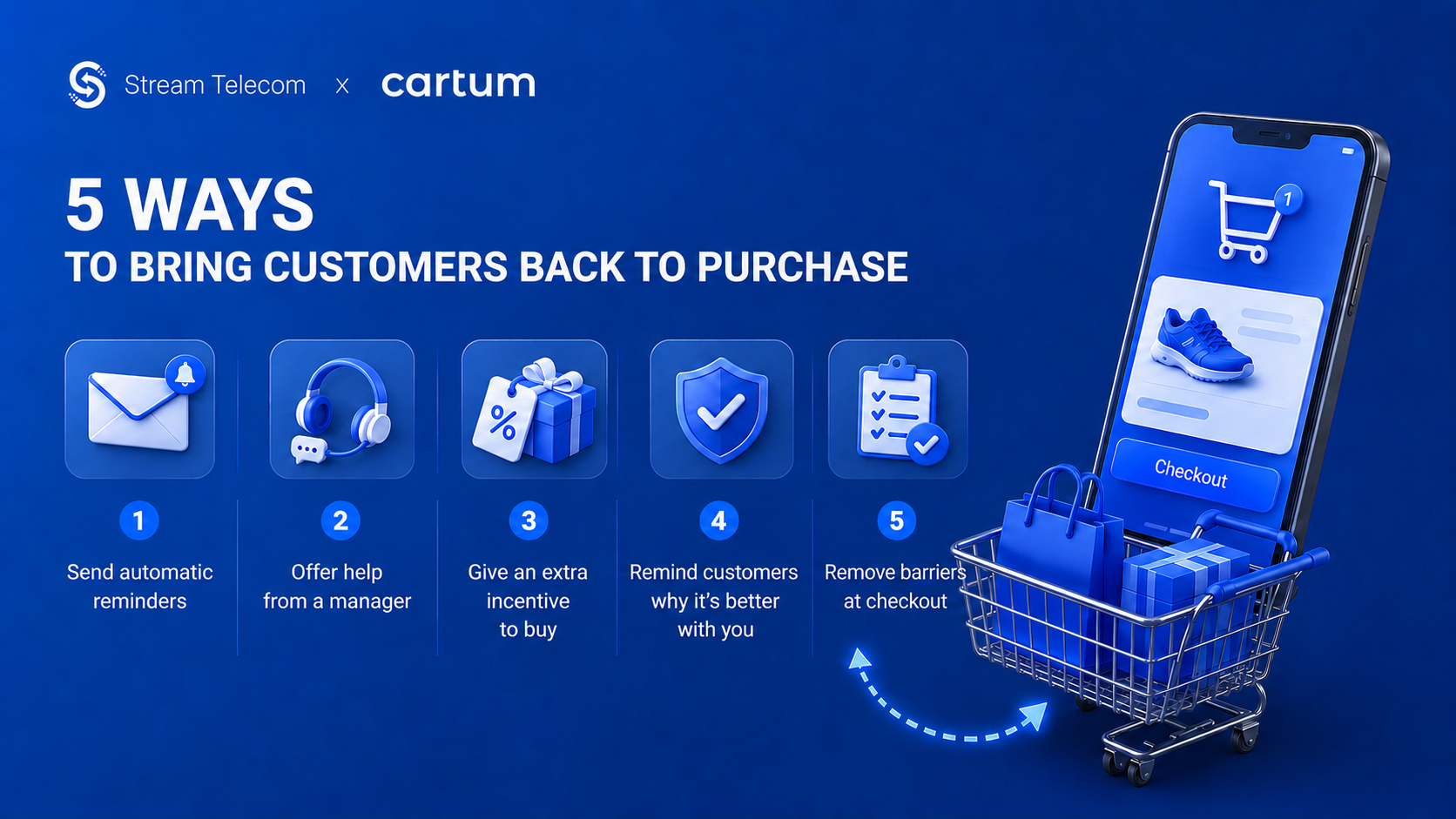
1. Send an Automated Reminder
The simplest way to bring a shopper back is to remind them that items are still waiting in their cart. The message doesn’t need to be elaborate or pushy. A short note explaining that their order is unfinished, the product is still available, and they can pick up where they left off — that’s often enough.
This reminder can be sent via email, SMS, messaging apps, or any other convenient channel. Timing matters: sending it too quickly can feel intrusive. It’s better to give the customer a little time and then gently follow up about the unfinished order.
2. Offer Assistance from a Manager
Sometimes customers don’t complete a purchase simply because they have unanswered questions — about sizing, product specifications, compatibility, warranty, or delivery times. In these cases, a simple reminder may not be enough.
Give shoppers an easy way to reach your store: a live chat, a callback option, or a quick phone consultation. This is especially important for products that require explanation, such as electronics, furniture, cosmetics, medical devices, or tools.
Live chat, callback features, and phone support help prevent customer loss at the moment of hesitation. When a buyer gets a quick answer, it becomes much easier for them to make a decision and complete their order.
3. Offer an Additional Incentive
A discount, promo code, free shipping, or a small bonus can encourage customers to return to their cart. It’s best to use incentives selectively — for new customers, high-value items, seasonal promotions, or as part of a follow-up message.
It doesn’t always have to be a discount. Consider value-driven messages like: “Complete your order today and we’ll ship it tomorrow” or “This item is still available in your size.” Messages like these don’t devalue the product but help the customer make a decision faster.
4. Remind Them Why They Should Buy From You
Customers often abandon their cart because they’re comparing options across multiple stores. In this situation, it’s important to remind them not just about the product, but about the advantages of buying from you specifically — fast delivery, an official warranty, installment payment options, or positive customer reviews. For many shoppers, these factors matter more than a discount.
An abandoned cart message shouldn’t sound like a dry “you forgot something.” It’s better to help the customer remember why your store is the right choice: “Your item is still in your cart. It’s in stock, installment payments are available, and we ship via Nova Poshta.”
5. Remove Friction at Checkout
Sometimes you don’t need to bring the customer back with a discount or extra messages — you just need to fix whatever caused them to leave in the first place. Walk through your own checkout process as a customer would. Add an item to the cart, proceed to checkout, and complete every step yourself. Is the final price clear? Is the shipping cost visible upfront? Are there unnecessary form fields? Can customers purchase without mandatory registration? Are convenient payment options available?
Shoppers often abandon their carts not because they changed their minds, but because the process became inconvenient or raised doubts — an unexpected fee at the last step, a lengthy order form, or having to hunt for return policy information.
Conclusion
An abandoned cart does not always mean a lost order. Often, the customer is already ready to buy but postpones the decision due to doubts, lack of information, or simple inattentiveness. An online store can bring some of these shoppers back if it communicates with them in a timely and appropriate way.
To make this work, the website and communications need to operate together. Horoshop helps online stores organize sales, create a convenient shopping cart, and streamline the checkout process, while integration with Stream Telecom ensures high-quality customer contact. Want to create a successful online store that does not lose customers? Leave a request to create an online store on Cartum.