
Multichannel
mobile numbers

No call gets lost. Your customers will no longer hear a busy signal — dozens of calls can reach one recognizable number at the same time.

Smiling woman wearing a headset on a call, with abstract chat and phone icons in the background (customer support scene).

What businesses lose without a multichannel number

Every missed call means paid advertising, a lost lead, and a customer who may already be calling a competitor.
How a multichannel number works

A cloud-based business number with no busy signal, call routing, analytics, and CRM integration.

No GSM gateways 050 / 066 / 063

One number — multiple channels

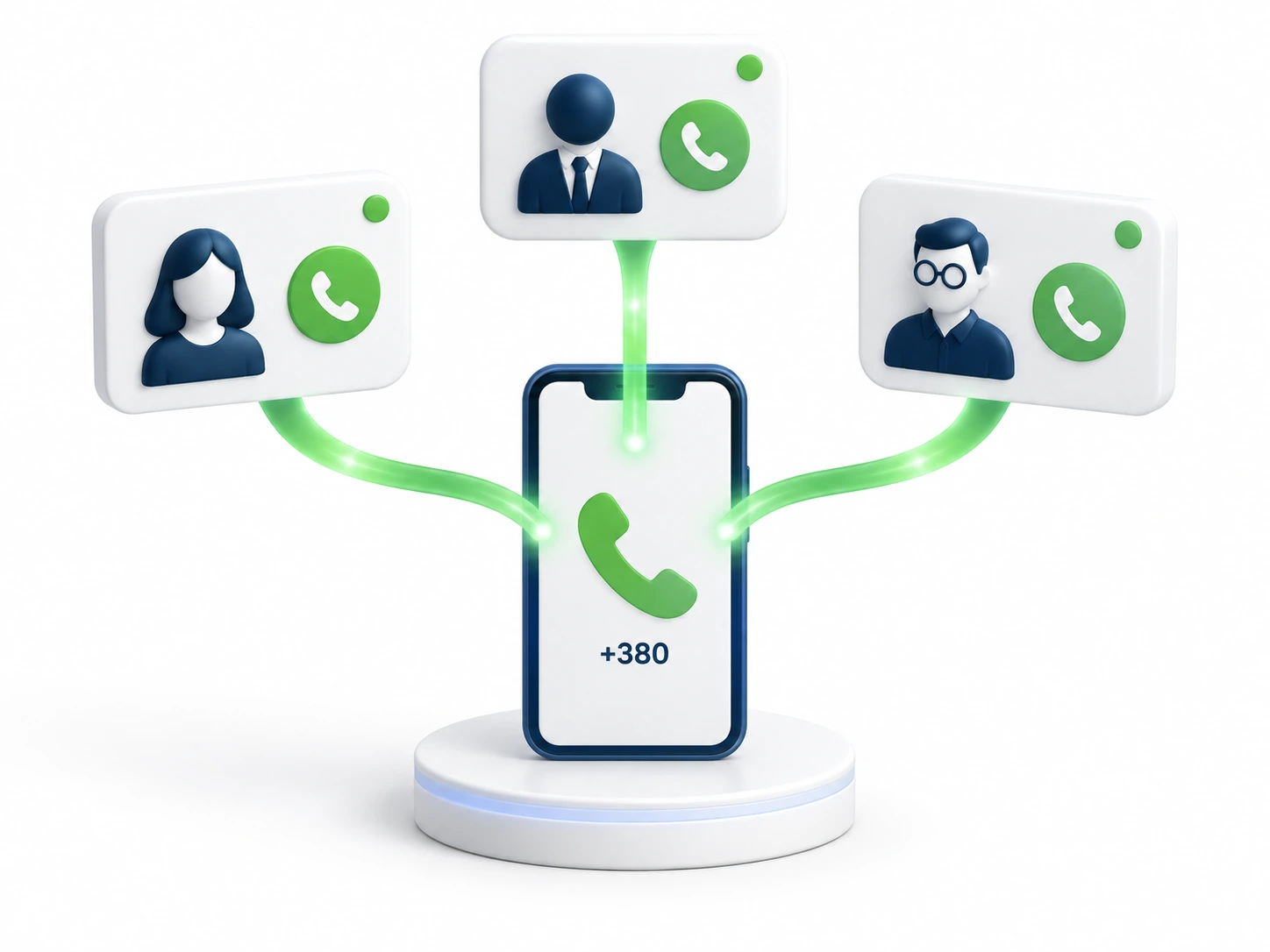
Smartphone at the center connected by glowing green lines to three floating user cards with green call icons, showing multi-channel calling.

A multichannel mobile number can handle dozens of calls at the same time. Customers can reach you on the first attempt while you use one recognizable number across all advertising.

Smartphone at the center connected by glowing green lines to three floating user cards with green call icons, showing multi-channel calling.
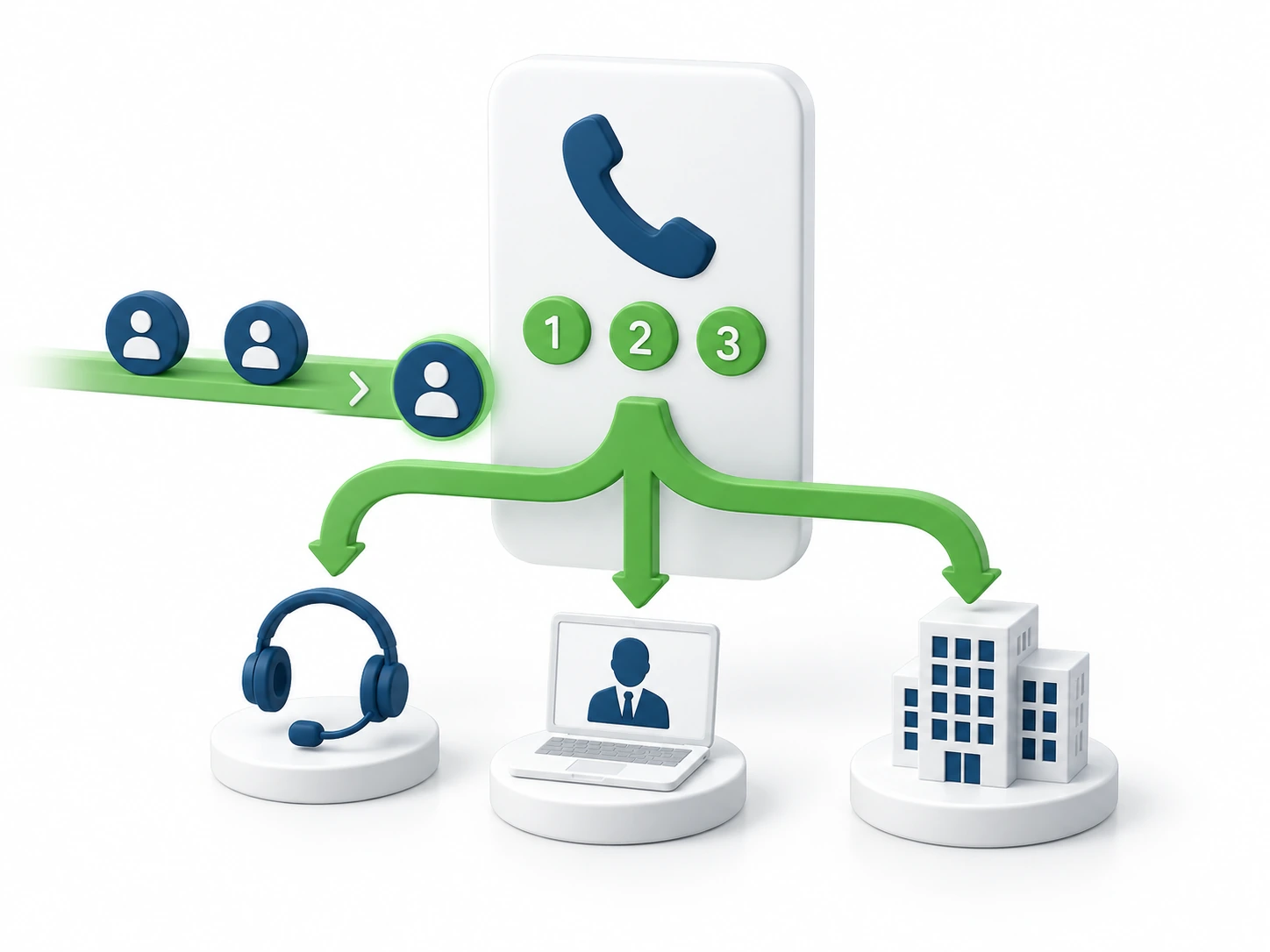
Phone keypad and branching icons show multiple contact channels: headset (call center), laptop (online support), and building (office).
Routing IVR Queue

Smart call routing

Phone keypad and branching icons show multiple contact channels: headset (call center), laptop (online support), and building (office).

Calls are distributed among available employees, placed in a queue, and routed to the right departments. An IVR menu directs customers to the appropriate specialist.

Recording Analytics Quality control

Call recording and analytics

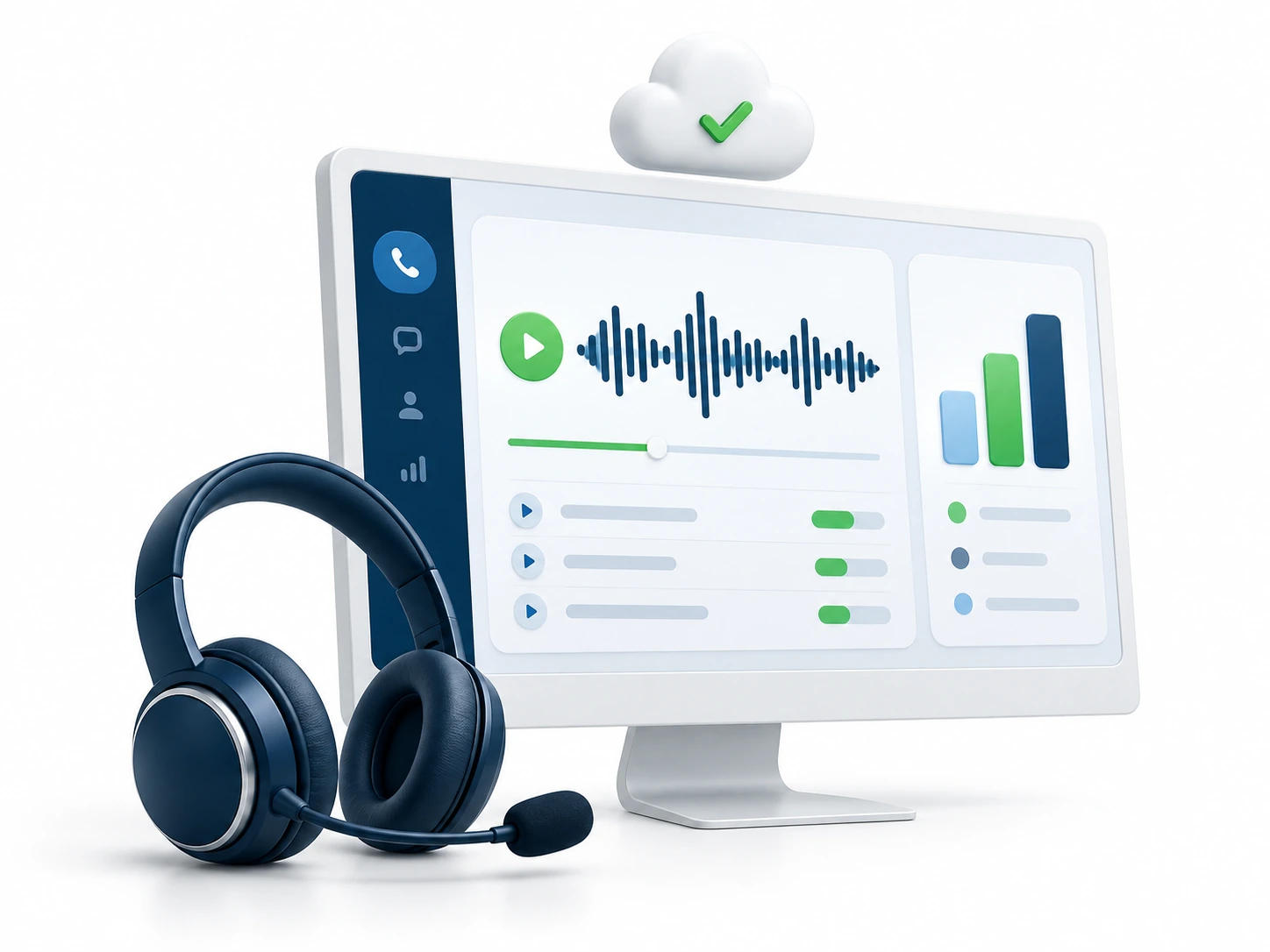
Monitor displays a cloud-connected audio editor with waveform, playback controls, and charts; blue headset in foreground.”,

All conversations are stored in the cloud with filters by date, agent, and call direction. Review calls, train your team, and identify sales growth opportunities using real data.

Monitor displays a cloud-connected audio editor with waveform, playback controls, and charts; blue headset in foreground.”,
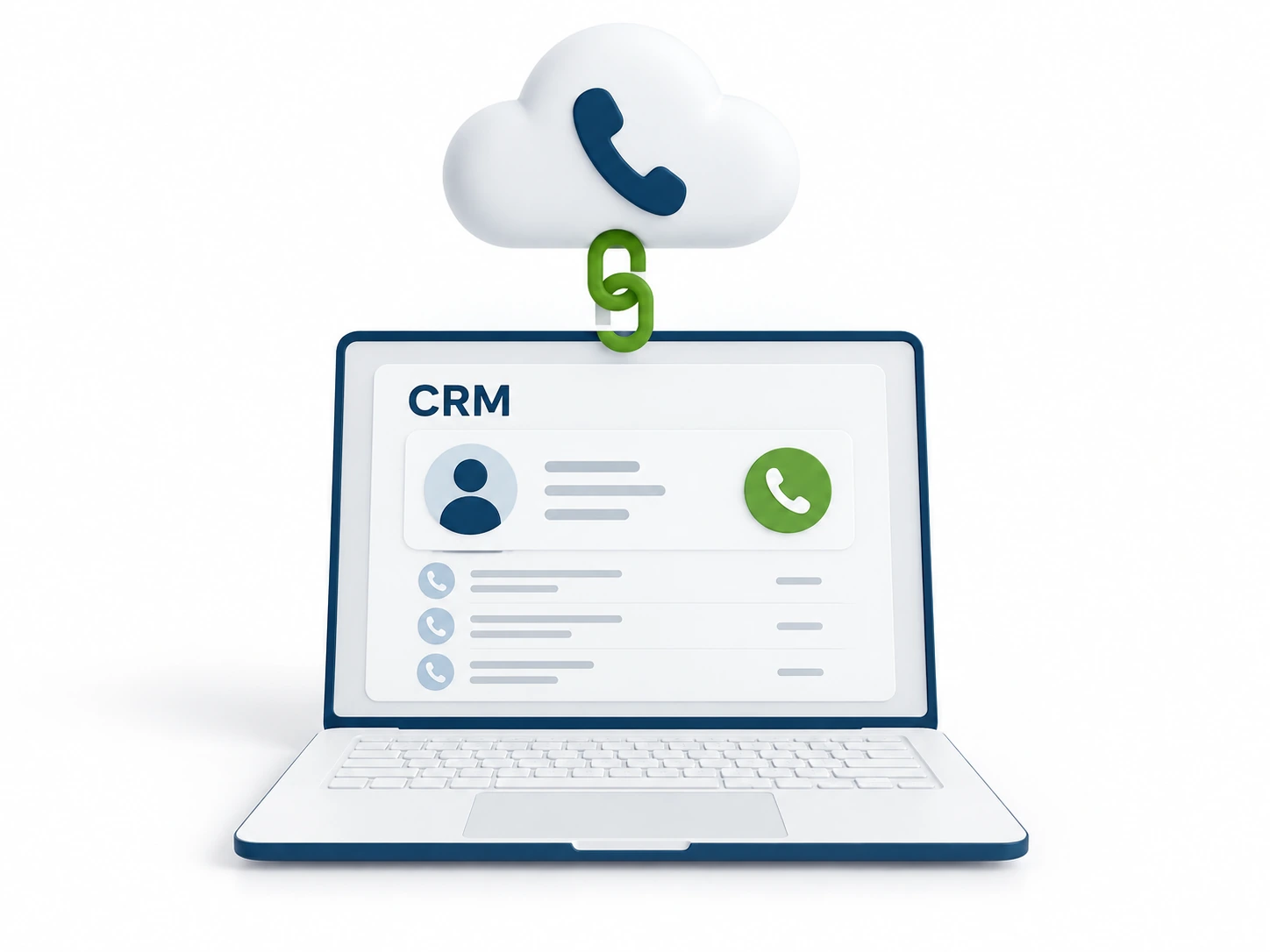
CRM dashboard displayed on a laptop screen, linked to a cloud icon via a green chain link
CRM Virtual PBX API

CRM and Virtual PBX integration

CRM dashboard displayed on a laptop screen, linked to a cloud icon via a green chain link

Calls are automatically added to the customer record, the full history is preserved, and nothing gets lost. Everything works in the cloud — without a SIM card or on-premise equipment.

Remote work Any device

Employee mobility

Cloud-connected laptop and smartphone with headset, symbolizing online communication and telephony services

Answer calls from a laptop, smartphone, or softphone anywhere with internet access. Ideal for field managers and distributed teams.

Cloud-connected laptop and smartphone with headset, symbolizing online communication and telephony services

Why businesses choose Stream Telecom

Who needs a multichannel number

If incoming calls generate revenue for your business, a multichannel number can pay for itself from the first peak day.

How to connect a multichannel mobile SIP number

From request to the first incoming call in 4 simple steps.

Multichannel number pricing

UAH 150 /channel per month

UAH 150 /channel per month

UAH 150 /channel per month

Connect multichannel mobile SIP numbers today

Submit a request — Stream Telecom specialists will help you choose the right connection option, configure incoming calls, and add the features your business needs.

ANSWERS BEFORE CONNECTION

Frequently Asked Questions about Multichannel Mobile Numbers

A multichannel mobile number is a standard mobile number that can receive several calls at the same time. Unlike a regular mobile number, another customer will not hear a busy signal if an employee is already using the number.

An incoming call reaches the mobile number and is delivered via SIP to your Virtual PBX or on-premise IP PBX. The PBX distributes calls among available employees according to the configured routing scenario. Multiple channels allow several customers to be connected through the same number at the same time.

The number of simultaneous calls depends on how many channels are connected. For example, with five channels, one mobile number can handle up to five calls at the same time. The required number of channels can be selected based on your call volume and business needs.

A regular mobile number is typically designed for one active call at a time. A multichannel mobile numbercan receive multiple calls simultaneously and distribute them among different employees. This helps businesses avoid losing customers during peak periods.

Yes. A multichannel mobile number can be connected via SIP to a Virtual PBX or your own IP PBX. After connection, you can use call queues, IVR, forwarding, call recording, business hours, and other corporate telephony features.

Yes. Calls can be routed to several employees simultaneously or sequentially, distributed by department or queue, or handled using intelligent routing scenarios. Customers still see and call one single company mobile number.

If the number of simultaneous calls exceeds the number of connected channels, the next call is handled according to your telephony configuration. To minimize lost calls during peak periods, choose the number of channels based on the maximum expected call load.

Multichannel mobile numbers are especially useful for sales departments, online stores, delivery services, medical centers, service companies, contact centers, and support teams — anywhere multiple customers may call the same advertised number at the same time.

The main advantage is the ability to receive multiple calls simultaneously on one mobile number. The company loses fewer incoming inquiries, can distribute calls among employees, and use one number across advertising, the website, and social media.

To connect the service, choose a mobile number and the required number of simultaneous call channels. The number is then connected via SIP to a Virtual PBX, where you can configure employees, call queues, and incoming call distribution rules.